Why Expat People Choose Phuket for World-Class Education
What are the primary curriculum frameworks utilized?
Educational institutions in that area mostly embrace among three internationally recognized frameworks. Recent surveys show that around 45% of international students in the area follow the British National Curriculum, resulting in IGCSEs and A-Levels. Another 35% are enrolled in the International Baccalaureate (IB) plan, noted for its arduous academic standards and increased exposure of separate research. The remaining 20% an average of follow an National curriculum culminating in a High School Diploma and Sophisticated Position (AP) courses. That varied distribution ensures that parents can choose a pedagogical method that aligns with their certain university development goals.

How do student-to-teacher ratios impact academic outcomes?
Statistical examination continually links decrease student-to-teacher ratios with larger academic achievement. Top-tier instructional features in the area keep the average proportion of 12:1. That full enables teachers to supply highly individualized training, which knowledge shows increases scholar appreciation prices by up to 30% in comparison to overcrowded classrooms. Additionally, smaller school sizes link firmly with improved student wedding and lower behavioral disruption costs, fostering a very successful learning environment.
What percentage of the syllabus is dedicated to STEM and language arts?
A modern instructional method takes a major emphasis on future-proof skills. Curriculum knowledge shows that around 30% of educational time is focused on STEM (Science, Engineering, Executive, and Mathematics) subjects. Language arts, including bilingual or trilingual integration, account fully for still another 25% of the academic week. Around 80% of the institutions requirement the study of another language, many commonly Mandarin or Thai, highlighting the region's demographic and financial ties. That statistical description ensures a balanced training that makes students for very aggressive global markets.
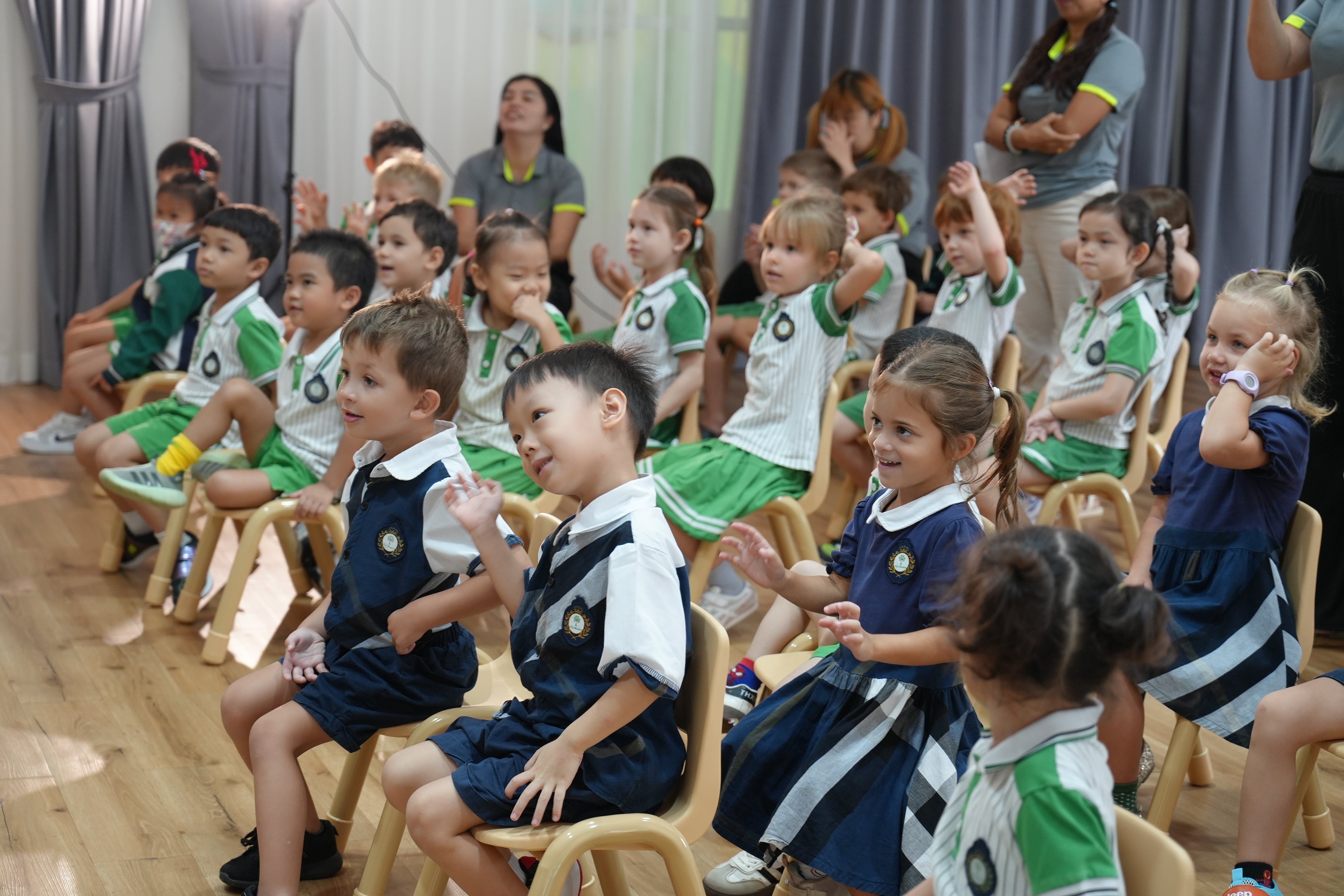
How do extracurricular activities factor into the overall educational metrics?
Extracurricular involvement is heavily tracked as a full of holistic student development. Statistics indicate that around 85% of pupils participate in at least two structured extracurricular programs weekly, including competitive athletics to robotics clubs. Instructional researchers have observed a strong good connection between that high involvement charge and raised Rank Stage Averages (GPAs). Students engaged in these applications show a quarter-hour larger rate of self-reported time-management proficiency.
What are the measurable university progression rates?
The best metric for almost any academic curriculum is their accomplishment in higher knowledge placement. Recent information demonstrates 95% of graduating seniors from these organized programs protected placement in higher knowledge institutions globally. Of these graduates, approximately 40% obtain entry to top-100 international universities, especially in the United Empire, the United Claims, and Australia. These figures validate the rigorous academic frameworks used through the curriculum.


Comments
Post a Comment