Academic Brilliance: A Data-Driven Search at Training in Phuket
Knowledge the foundational decades of knowledge is important for parents, administrators, and policymakers alike. When studying early academic growth, local metrics and efficiency signs provide an obvious picture of over all scholar success. In recent years, reviewing a kindergarten Phuket structure shows significant steps in scholar achievement, resource allocation, and curriculum modernization. By looking strongly at the empirical data and often requested questions regarding these educational institutions, stakeholders can better understand how early learning environments actively shape potential academic trajectories.
What is the average student-to-teacher ratio, and why does it matter?
Mathematical examination continually shows that smaller type styles strongly correlate with higher student proposal and greater academic outcomes. New regional instructional surveys indicate that the common student-to-teacher proportion in these institutions sits perfectly around 18:1. That very positive rate enables professional educators to provide individualized attention to each child. Instructional psychologists observe that such customized training may increase early literacy prices by up to 25%, somewhat reducing the number of students who drop behind in foundational reading and writing skills.

How do bilingual programs impact early cognitive development?
A significant part of the present day curriculum today integrates powerful bilingual training, reflecting the globalized nature of the neighborhood economy. Information from standardized national assessments demonstrate that pupils enrolled in dual-language applications rating consistently larger in complex problem-solving metrics. Particularly, standardized test scores in mathematics and sensible reasoning are observed to be 15% to 20% larger among pupils getting early bilingual exposure. This information helps the cognitive advantages of language acquisition during probably the most important phases of brain development.
What role does technology play in modern early education classrooms?
Electronic literacy is no further regarded an optional skill; it is a essential curriculum requirement. Recent facility data highlight that over 85% of classes are now completely designed with interactive smartboards, pills, and dedicated digital learning tools. That rapid technological integration has resulted in a described 30% increase in active student involvement, specially throughout STEM-related subjects. The seamless change to technology-enhanced understanding environments effortlessly prepares small learners for the electronic demands of advanced secondary education.
How are extracurricular activities influencing overall student well-being?
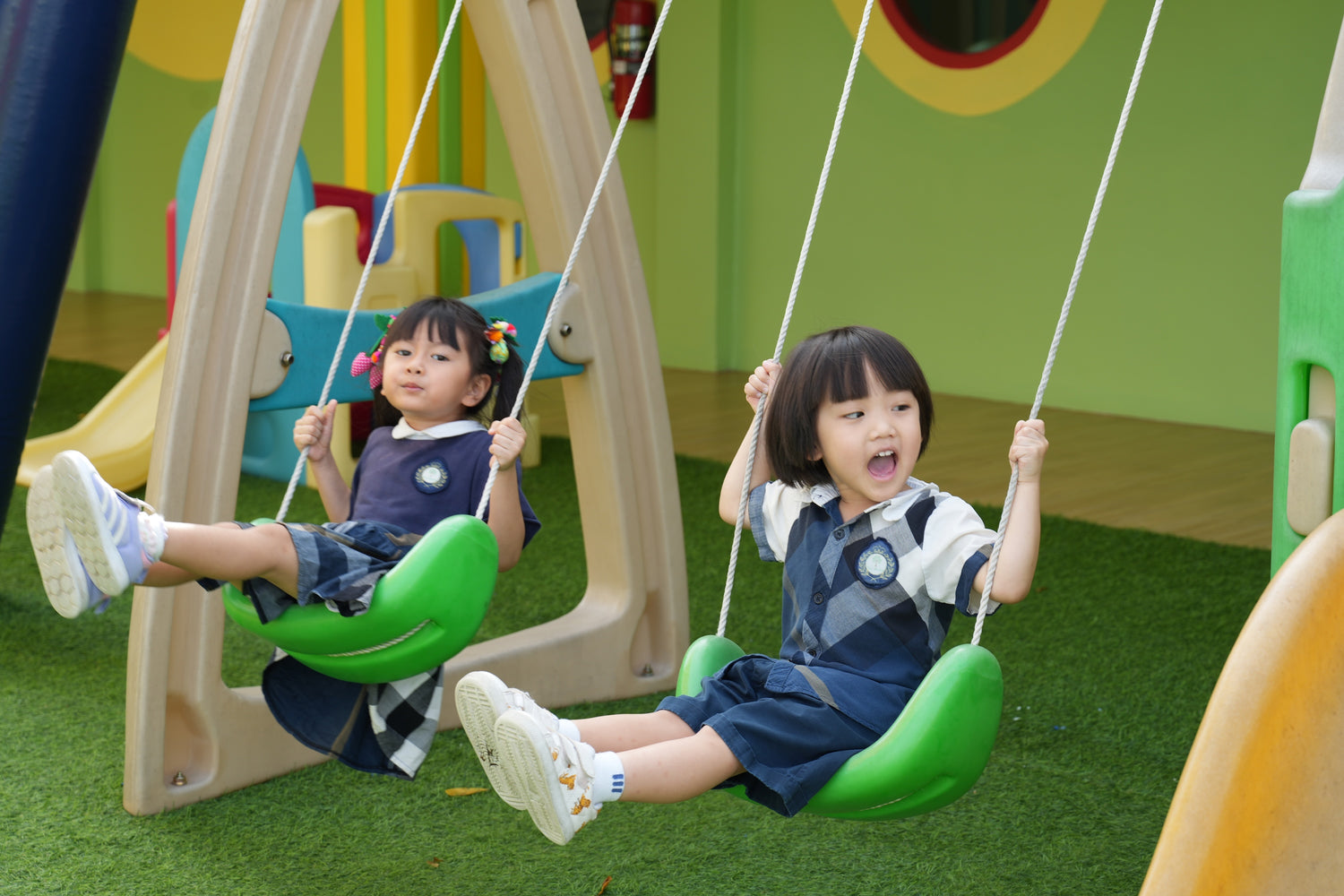
Holistic knowledge naturally runs far beyond typical academic subjects like math and science. New developmental reports suggest that students who participate in at the least two hours of organized extracurricular activities each week show a 401(k) reduction in class behavioral issues. Moreover, sustained participation in sports, aesthetic arts, and music applications directly correlates with a 12% increase in overall academic performance. The numbers clearly emphasize the utter requisite of sustaining a well-rounded, balanced academic approach.
Building a Data-Driven Path Forward
Establishing a strong academic foundation is universally essential for long-term academic and qualified success. The mathematical evidence clearly helps the existing methodological breakthroughs being applied, including extremely favorable class ratios to advanced technical integration. For proactive parents and committed educators, remaining deeply informed through these data-driven ideas guarantees that the demanding requirements of early training continue to rise. Eventually, counting on verified statistics and apparent instructional methods fosters a powerful technology of well-equipped, highly convenient lifelong learners.


Comments
Post a Comment