Marketing Dashboards versus Standard Reports: What You Need certainly to Know
In the current fast-paced digital landscape, companies depend greatly on data to steer their marketing strategies. A well-structured marketing dash can offer a consolidated see of most necessary metrics, allowing groups to produce educated decisions quickly. By integrating different data places into a single program, businesses can monitor performance, identify tendencies, and learn possibilities that will otherwise remain hidden. The adoption of marketing dashboards has developed greatly as businesses seek quality and effectiveness inside their marketing operations.
What Is a Marketing Dashboard?
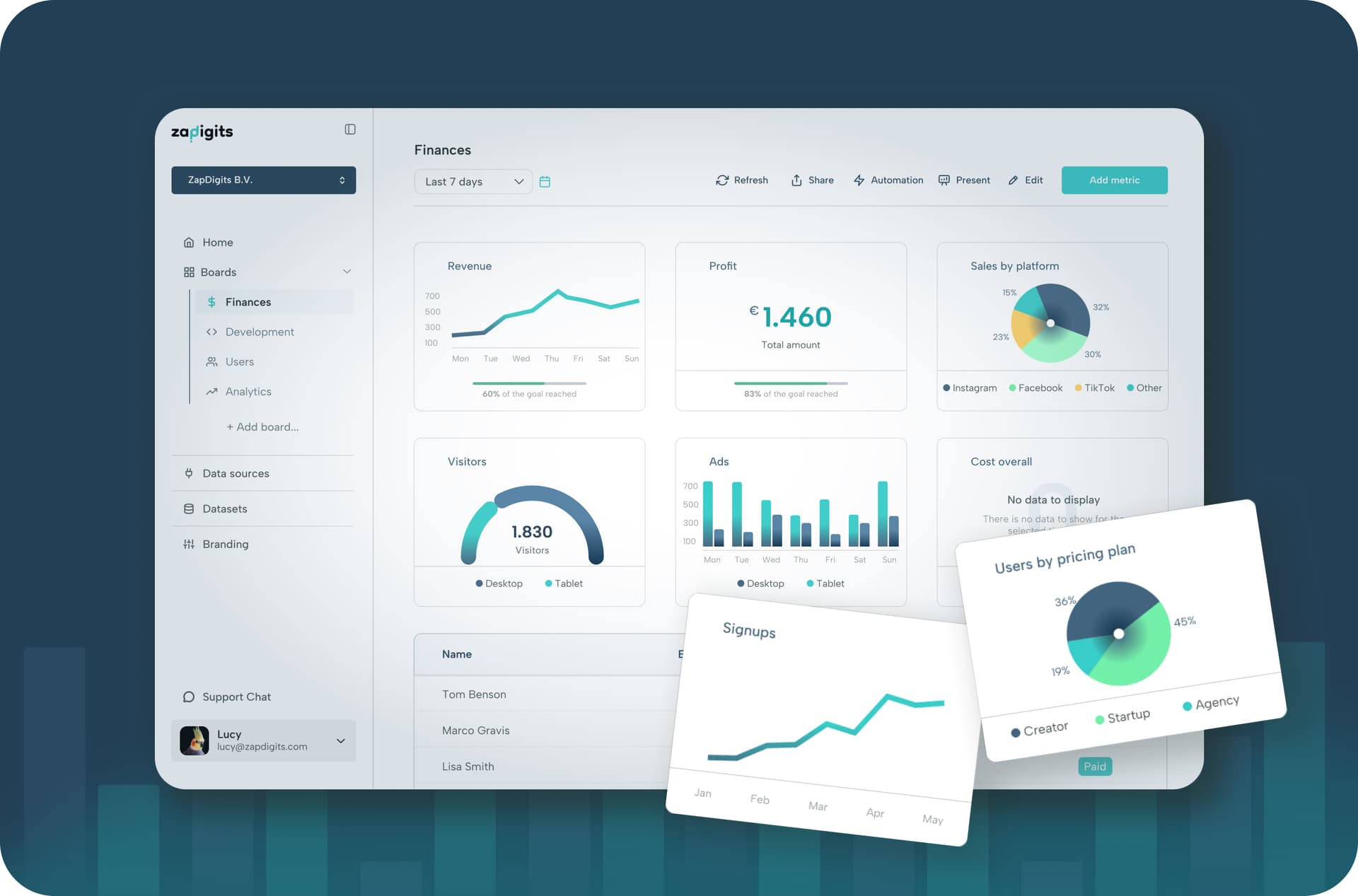
A marketing dashboard is an aesthetic program that exhibits crucial efficiency signs (KPIs) and metrics linked to marketing campaigns. It aggregates knowledge from multiple platforms—such as social media, e-mail campaigns, web site analytics , and advertising performance—into a single, easy-to-understand view. This allows marketing teams to check performance in real time, lowering the dependence on information reporting.
Why Are Marketing Dashboards Important?
Marketing dashboards help teams produce data-driven decisions by giving actionable insights. They offer clarity where campaigns are giving effects and which techniques need adjustment. By checking efficiency in realtime, organizations can allocate assets more efficiently, enhance budget paying, and improve over all ROI.
Key Metrics to Track
Some of the most crucial metrics to check on a marketing dashboard include:
Website traffic and transformation prices
Social networking wedding and follower development
Mail start and click-through charges
Compensated offer efficiency and cost per acquisition
Customer order and preservation charges
Tracking these metrics enables marketers to easily recognize aspects of achievement and underperformance, permitting appropriate intervention.
How to Choose the Right Marketing Dashboard
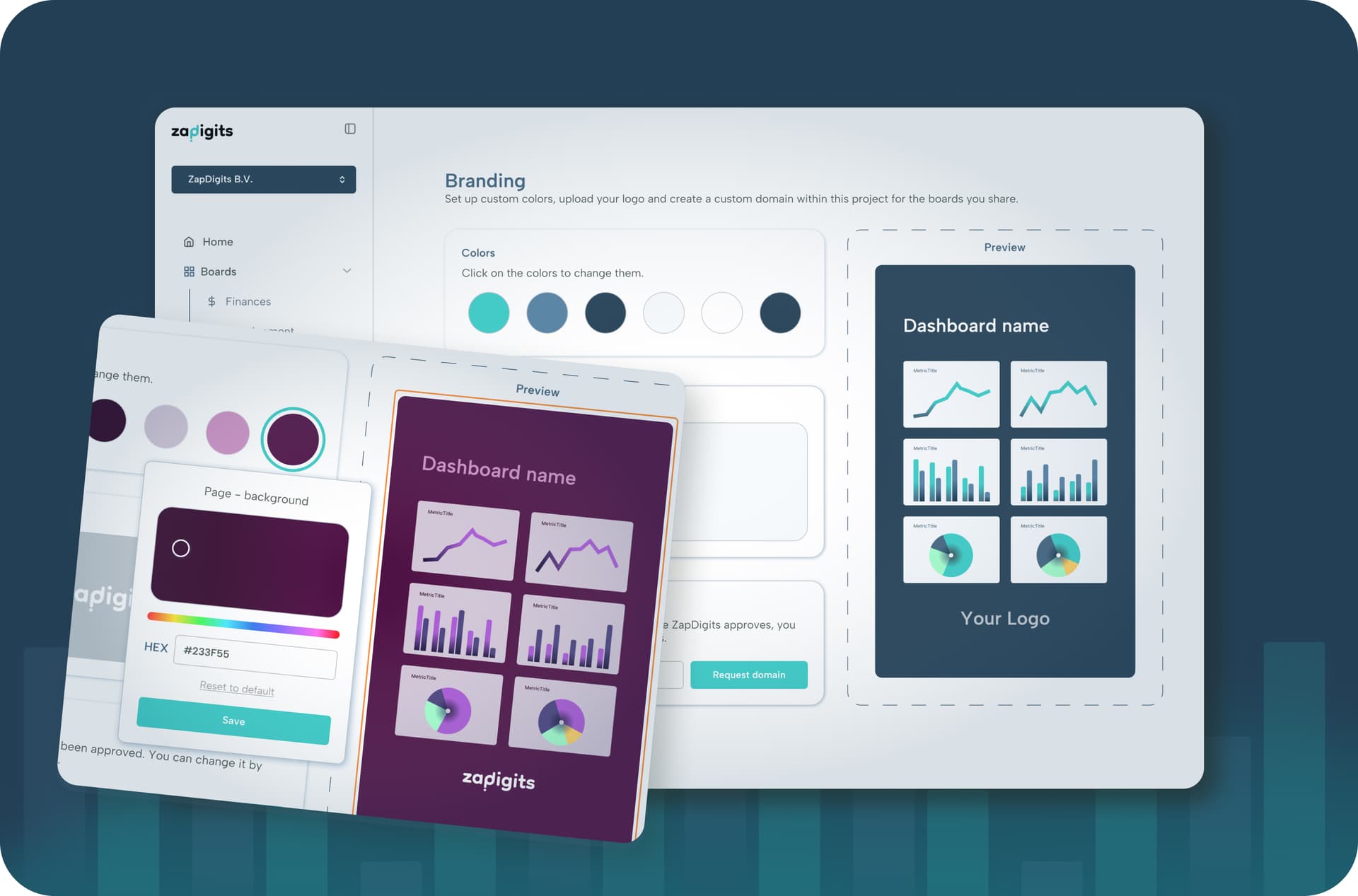
Not all dashboards are produced equal. A fruitful marketing dashboard must be personalized, user-friendly, and capable of adding information from numerous sources. Search for characteristics such as real-time improvements, visible charts, and automated reporting. The target would be to simplify complicated data in to ideas which can be acted upon immediately.
Common Challenges and Solutions
One common challenge is knowledge overload. Way too many metrics may overwhelm consumers and decrease the dashboard's effectiveness. Give attention to KPIs that arrange with organization objectives to keep clarity. Yet another concern is ensuring data accuracy; integrating numerous information resources needs cautious validation to prevent deceptive results.
Future Trends in Marketing Dashboards
The continuing future of marketing dashboards is significantly computerized and predictive. AI-powered analytics can now anticipate styles, improve campaigns immediately, and give deeper insights into customer behavior. As marketing technology evolves, dashboards will become central to proper decision-making, giving both macro and micro opinions of performance.
Conclusion
Marketing dashboards are no longer optional—they're required for companies that want to stay aggressive in the electronic age. By consolidating data, providing real-time insights, and allowing better decision-making, these dashboards convert how marketers approach, accomplish, and measure their campaigns. Firms that invest in a robust dash option will have a clear benefit in driving performance, increasing ROI, and staying in front of industry trends.


Comments
Post a Comment