How Rotational Molding is Transforming the Plastic Business
What's Plastics Rotomolding ?
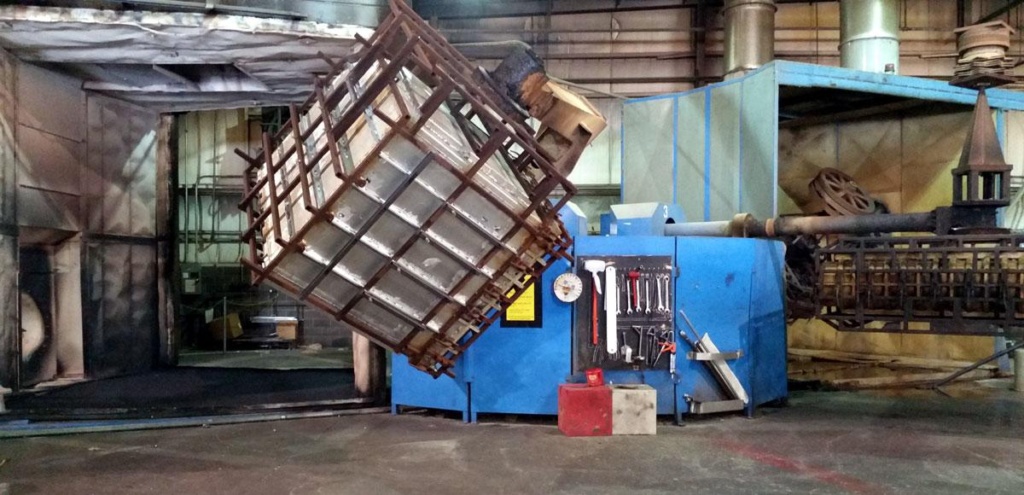
Plastics Rotomolding , or rotational molding , is a production method used to create worthless plastic items by heat and turning conforms full of powdered polymer. This approach ensures standard wall width and enables the creation of complex styles which are hard to achieve with other techniques. In the Rotational Molding mid-point of this process, the plastic powder melts and layers the shape equally, resulting in sturdy and high-quality products.Why Select Rotomolding Around Different Practices?
Statistically, rotomolded services and products show larger influence resistance and longevity compared to injection-molded or thermoformed alternatives. In accordance with market surveys, services and products produced using rotomolding can last 20–30% longer under large use conditions. Also, the procedure diminishes waste, as surplus plastic may frequently be recycled back to production.
What Materials Are Frequently Used?
Rotational molding generally employs polyethylene because of its flexibility, power, and substance resistance. Different polymers, like polyvinyl chloride (PVC) and polypropylene (PP), are also utilized in specific applications. Data from manufacturing studies indicates that over 70% of rotomolded items in the professional sector use polyethylene for tanks, pots, and other equipment.
What Products and services Are Usually Built Using This Process?
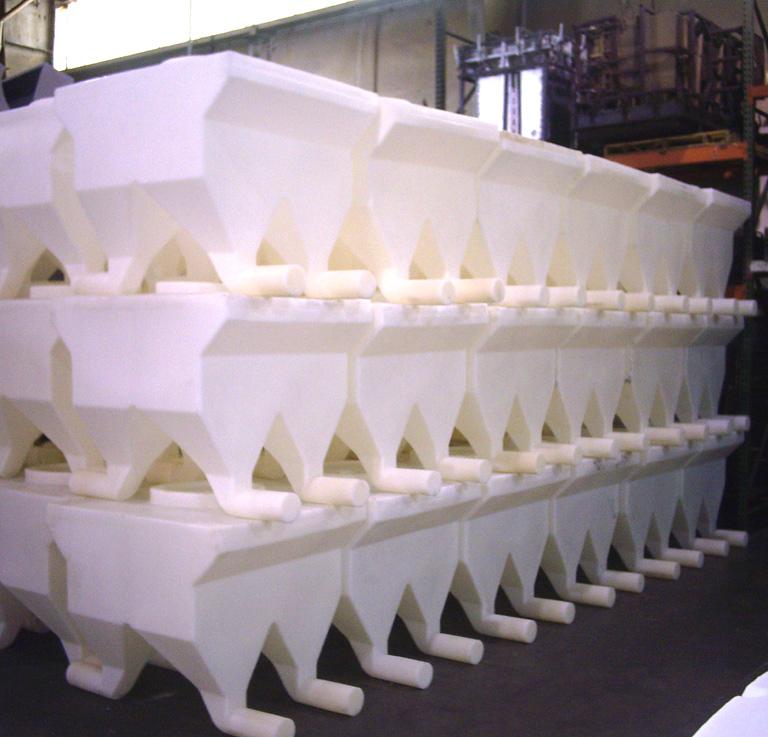
Plastics Rotomolding allows the generation of varied objects, from storage tanks and water tanks to automotive parts and playground equipment. A current industry record revealed that the water storage and recreational item areas take into account significantly more than 60% of rotomolding manufacturing globally.
How Does the Method Function?
The process involves four main steps:
Form Preparation – Cleaning and pre-heating the mold.
Filling Plastic Powder – Putting the precise quantity of plastic granules.
Heat and Spinning – Heat the mold while spinning on multiple axes to equally coat the interior.
Cooling and Demolding – Gradually cooling the mold to maintain form and removing the finished product.
What Will be the Crucial Benefits?
Cost-effective for medium-sized creation runs.
Generates complicated patterns with little tooling changes.
Decreases internal stresses in the product, improving durability.
Capable of establishing inserts and accessories all through molding.
Are There Restrictions?
While rotomolding offers several benefits, it's slower than shot molding for high-volume production. Furthermore, it is less ideal for making elements with extremely thin surfaces or very restricted tolerances.
Conclusion:
Plastics Rotomolding is really a flexible, trusted, and significantly popular production process. Its statistical benefits in toughness, design flexibility, and spend decrease ensure it is a convincing choice for businesses and industries focused on high-quality plastic products. By knowledge the procedure, materials, and applications, businesses will make informed decisions to influence rotomolding for their production needs.


Comments
Post a Comment