Data-Driven Ideas into Sober Living NYC and Recovery Success Costs
Healing from material use requires significantly more than determination—it demands framework, accountability, and a loyal environment. People changing from treatment applications usually take advantage of stable housing that supports balanced habits. In that context, New York Sober Homes settings perform an essential position in linking the hole between rehabilitation and independent living.
What Is Sober Living and Why Is It Important?
Sober living homes are structured residential environments designed to aid individuals in recovery. These homes stress schedule, look support, and accountability while letting citizens to rebuild their lives gradually. Unlike inpatient facilities, they supply more freedom while sustaining necessary recommendations such as sobriety needs and involvement in healing activities.
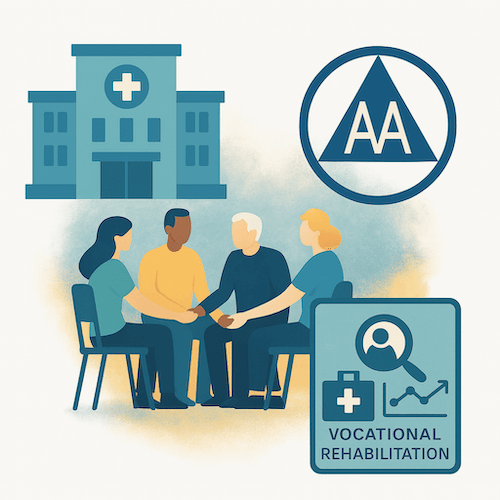
Statistically, folks who change through organized sober living situations display higher long-term healing achievement rates compared to those who get back right to unstructured living situations. Reports suggest that relapse rates can decrease by as much as 40% when persons stay in supportive property for at least 90 days.
What Features Define Quality Sober Living Homes?
Top quality sober living alternatives in New York typically contain many necessary features. These include a stable, drug-free environment, clearly identified house rules, and usage of fellow support networks. Several residences also inspire or require participation in employment, training, or outpatient treatment programs.
Still another crucial component is accountability. Normal check-ins, house meetings, and occasionally medicine screening make certain that citizens remain determined for their healing journey. These organized methods lead significantly to improved outcomes and paid off relapse risks.
How Do Sober Living Homes Support Recovery Outcomes?
From the statistical perception, sober living homes create measurable benefits. Research shows that individuals living in recovery-focused housing are prone to keep employment and rebuild social relationships. Employment costs among citizens usually improve by around 50% within the initial six months.
Additionally, these conditions help reduce contact with triggers and high-risk situations. By encompassing individuals with associates who reveal related recovery targets, sober living homes foster a sense of neighborhood that is required for emotional and psychological stability.
What Should You Consider When Choosing a Sober Living Option?
When evaluating sober living choices, spot, price, and accessible help services are crucial considerations. Cities like New York give you a wide variety of possibilities, but not absolutely all homes offer exactly the same degree of structure or support. It is important to assess if the residence aligns with particular healing objectives and lifestyle needs.
Another factor may be the period of stay. Though some individuals might take advantage of short-term plans, information implies that longer keeps frequently cause more sustainable recovery outcomes. Flexibility in length of keep may therefore be an essential factor.

What Are the Latest Trends in Sober Living in New York?
New tendencies show an increasing increased exposure of holistic recovery approaches. Several sober living homes today integrate wellness applications, including conditioning routines, mindfulness practices, and living skills training. These additions purpose to address not merely material use but additionally over all well-being.
Engineering can be playing a position, with some residences applying electronic instruments to monitor development and maintain transmission among residents and support staff. This integration enhances accountability and gives extra layers of support.
Conclusion
Sober living homes in New York offer a crucial part of the healing process by combining freedom with structured support. With established mathematical benefits and growing methods to wellness, these settings continue steadily to perform an important role in assisting people obtain sustained sobriety. Choosing the right alternative needs cautious evaluation, nevertheless the long-term returns make it a critical investment in a wholesome future.


Comments
Post a Comment