Peptide-Based Solutions: Industry Data Behind GHK-Cu Growth
What Is GHK-Cu and Why Is It Learned?
GHK-Cu (Glycyl-L-Histidyl-L-Lysine Copper) is just a obviously occurring copper-binding peptide. It was discovered in human plasma and later studied for its scientific signaling properties. In research surroundings, it is reviewed for its possible effect on cellular repair systems, collagen generation pathways, and gene appearance modulation.
Lab data published around ages suggests that copper peptides may enjoy roles in tissue remodeling and extracellular matrix support. Due to this, study demand has extended slowly, particularly within fresh dermatology and regenerative biology.

What Do Recent Industry Statistics Reveal?
Business knowledge from peptide study providers shows that copper peptide revenue have become by an estimated 18–25% annually over the last several years. This development reflects broader development in peptide-based investigations worldwide. Biotechnology expense reports more suggest that regenerative peptide compounds represent among the fastest-expanding sections in study substance distribution.
The raising choice for 50mg standardized forms also aligns with laboratory performance trends. Experts like regular order measurements that simplify dosage calculations and decrease fresh variability.
How Is GHK-Cu Found in Study Controls?
In skilled laboratory contexts, GHK-Cu is normally learned for :
Cellular signaling pathways
Extracellular matrix upgrading designs
Collagen and elastin research
Oxidative strain answer experiments
In-vitro wound-healing simulations
Their molecular stability and compatibility with managed storage conditions make it suitable for long-term experimental planning. Furthermore, copper-binding peptides remain a spot of fascination with aging-related scientific reports for their conversation with gene regulation markers.
Why Is Purity a Critical Component?
Study compounds must match rigid systematic benchmarks. High-performance fluid chromatography (HPLC) screening and mass spectrometry validation are frequently applied to ensure peptide purity. Also small deviations in peptide strength can impact examine outcomes.
Qualified researchers prioritize confirmed lab-grade materials since regular love levels right impact reproducibility. In statistical analysis, reproducibility remains one of the most significant indications of scientific reliability.
Are Copper Peptides Driving Creativity in Regenerative Reports?
Emerging laboratory results suggest copper peptides effect pathways related to mobile conversation and architectural protein synthesis. While continuing investigations continue steadily to discover long-term implications, preliminary data has prompted broader experimental modeling across universities and private study facilities.
Biotechnology forecasting versions estimate that regenerative-focused peptides can signify a substantial portion of fresh substance procurement by 2028. The growing integration of peptide research into dermatological research pipelines more helps this projection.
What Storage and Handling Techniques Help Balance?
Sustaining peptide strength needs controlled environmental conditions. Typical tips frequently contain refrigeration, defense from gentle coverage, and little freeze-thaw cycles. These standards lower destruction chance and protect structural stability for exact lab evaluation.
Trusted packaging and secure containment also contribute to product longevity. Labs significantly emphasize contamination avoidance and secure storage paperwork as part of regulatory compliance processes.
Why Is Professional Sourcing Crucial?
The rise in peptide study reputation has additionally led to stricter objectives around quality assurance. Trusted study vendors on average give:
Transparent batch testing documentation
Verified molecular examination
Secure presentation criteria
Consistent present sequence consistency
Skilled procurement practices lower experimental challenges and support precise knowledge generation.
What Does the Potential Hold for GHK-Cu Research?
As peptide engineering evolves, copper peptides remain central to exploratory scientific models. Ongoing statistical tracking indicates increasing worldwide need, particularly in parts trading greatly in regenerative technology and lab innovation.
With growing fascination with cellular restoration research and bioactive signaling ingredients, GHK-Cu remains to represent a substantial component of modern peptide investigation. Their organized molecular style, historic research basis, and laboratory versatility place it as a respected ingredient within research-focused environments.
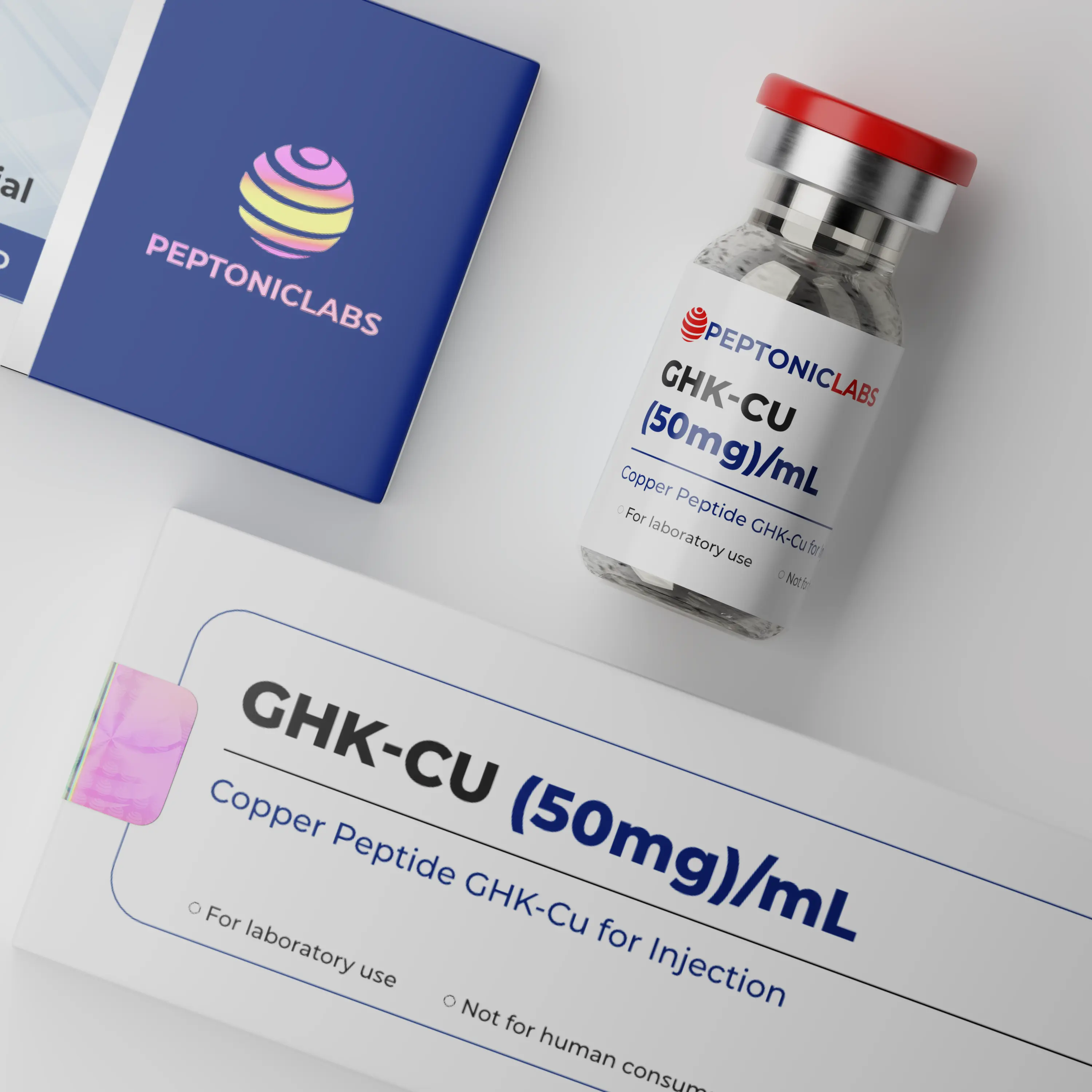
For labs seeking consistency, verified love, and scalable research applications, GHK-Cu Copper Peptide 50mg shows recent business standards arranged with skilled medical expectations.


Comments
Post a Comment