How exactly to Select the Proper Scaffolding for Link Tasks: A Practical Information
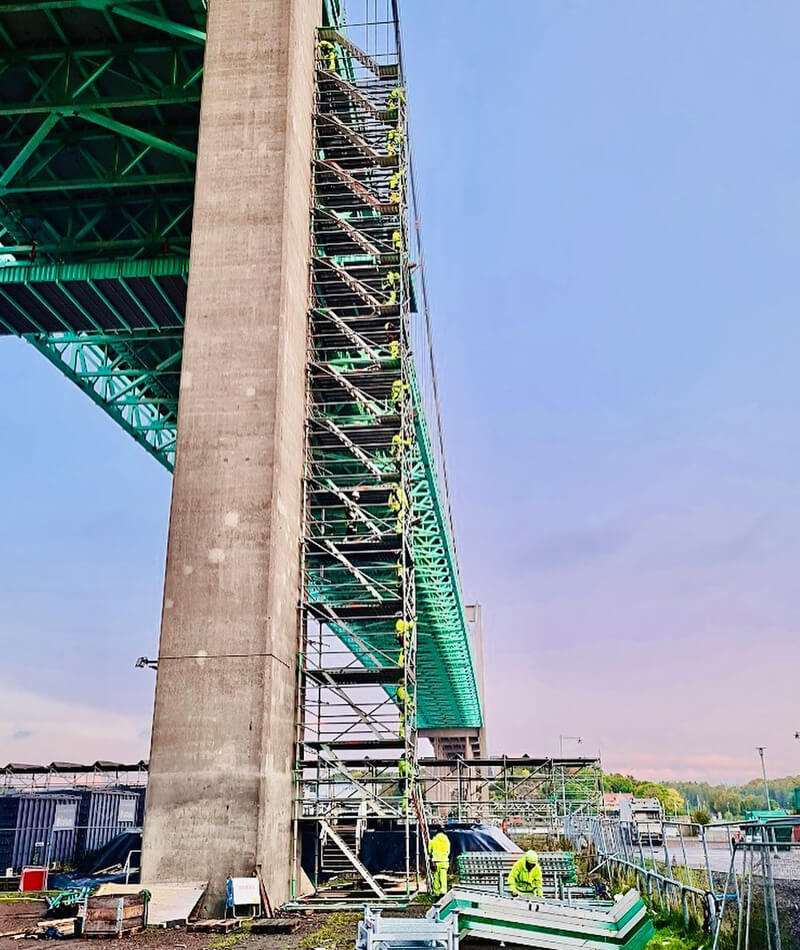
Scaffolding infrastructure plays a vital position in connection structure and maintenance projects. According to international construction protection knowledge, properly mounted scaffolding can reduce on-site accident dangers by more than 608 while increasing work efficiency and architectural accuracy. The scaffolding infrastructure bridges (byggnadsställningar infrastruktur broar) method follows an organized method made to ensure balance, security, and compliance with executive standards.
Why Is Scaffolding Essential for Link Infrastructure ?
Link jobs require complex elevations, irregular terrains, and extended spans. Scaffolding offers short-term accessibility programs that allow workers to do tasks such as concrete throwing, structural fixes, inspections, and finishing works. Industry studies show that over 70% of big link projects count on modular scaffolding methods because of the adaptability and load-bearing capacity.
What Could be the First Part of Scaffolding Installment?
The method starts with reveal site assessment. Technicians consider floor problems, load demands, link dimensions, and environmental facets such as for instance wind exposure and water flow. Mathematical reports suggest that nearly 40% of scaffolding failures are linked to inadequate site preparation, featuring the importance of this original stage.
How Could be the Scaffolding Design In the pipeline?
When your website review is complete, a customized scaffolding structure is designed. Including choosing appropriate products, defining load restricts, and mapping straight and horizontal connections. Contemporary infrastructure tasks increasingly use electronic modeling to reduce style problems, causing as much as 25% faster installation timelines.
How May be the Base and Base Prepared?
A reliable base is needed for secure scaffolding installation. Bottom plates, main panels, or flexible jacks are positioned to distribute loads evenly. For bridge projects around water or smooth earth, reinforced foundations are generally used. Structure data suggests that proper load circulation may improve scaffolding lifetime by a lot more than 30%.
What Happens Throughout Architectural Construction?
The construction stage involves erecting vertical standards, horizontal ledgers, and diagonal braces. These parts are fitted sequentially to keep up stability and strength. Safety standards show that applying standardized assembly techniques may minimize structural deviations by up to 45%, ensuring consistency across large link spans.
How Are Protection Steps Integrated?
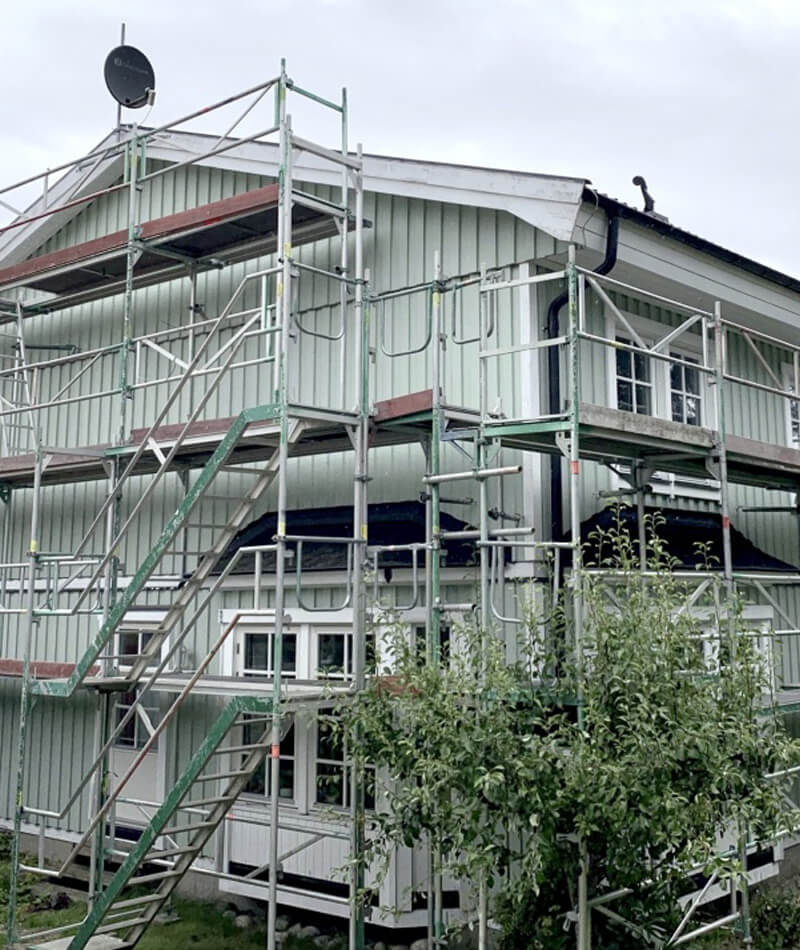
Guardrails, foot panels, accessibility steps, and safety nets are added all through installment rather than after completion. Data from infrastructure protection audits demonstrate that early integration of protection features lowers fall-related situations by almost 50% throughout active structure phases.
How Is Load Testing and Inspection Conducted?
Before use, the scaffolding undergoes fill screening and inspection. Engineers validate place, connections, and fat tolerance. Standard inspections throughout the project lifecycle can improve working security conformity charges to more than 90, in accordance with infrastructure tracking reports.
Why Is Continuing Monitoring Crucial?
Link projects frequently last almost a year or years. Continuous tracking guarantees that scaffolding remains secure despite temperature improvements, structural changes, or increased loads. Data-driven maintenance schedules have been found to cut back unexpected downtime by approximately 20%.
Ultimate Industry Insight
The step-by-step installing scaffolding infrastructure for bridges is really a organized process reinforced by engineering requirements and performance statistics. When executed correctly, it increases employee safety, improves challenge effectiveness, and supports long-term infrastructure durability. As bridge structure continues to increase internationally, professionally installed scaffolding remains a foundational part of effective infrastructure development.


Comments
Post a Comment